
OBADIAH T
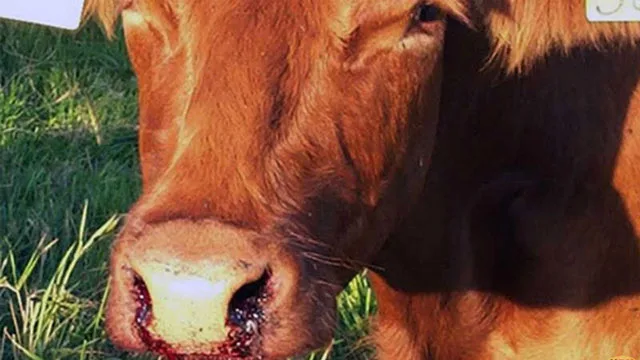
Kabale District is on high alert following a suspected outbreak of anthrax disease in Muyumbu Village, Muyumbu Parish, Kyanamira Sub County. According to a report released by the Kabale District Health Office, the outbreak has already claimed the lives of seven cows, two goats, and one sheep. Additionally, seven suspected cases of human anthrax, caused by Bacillus anthracis, have been documented.
Health officials say the first human case was reported on April 1, 2025, with more cases emerging on April 6. Animal deaths reportedly began earlier, with the first two cows dying on unspecified dates. The third cow died on March 22, followed by others on March 30 and 31. Two more cows died on April 1.
The health department revealed that all seven cows were slaughtered and their meat distributed and consumed by the local community. Three of the cows were sold in Kabura Trading Center in Kyanamira Sub County, while the remaining four were sold in Kabale Central Market.
Seven men who were involved in the slaughtering of the infected animals have developed symptoms associated with human anthrax, including skin lesions, headaches, back pain, sore throat, fatigue, muscle aches, chest discomfort, and difficulty swallowing. One of the men is currently admitted to Kabale Regional Referral Hospital for further treatment.
Kabale District Veterinary Officer, Lynn Anyongire, confirmed that five samples have already been collected and sent to the Uganda Virus Research Institute (UVRI) for confirmation. She noted that once results are received, strict measures to contain the spread of the disease will be implemented.
Anyongire also revealed that Kyanamira and Kaharo Sub Counties have been mapped for close monitoring, urging residents to refrain from eating meat until the situation is fully assessed.
In response to the outbreak, the District Health Office has recommended several interventions, including the orientation of health workers for active case detection, vaccination of animals against anthrax, and the development of a reporting strategy involving Village Health Teams (VHTs) in the affected areas. They also emphasized the need to engage private clinics in reporting suspected anthrax cases.
Furthermore, the health office is calling for intensified risk communication and community engagement, particularly targeting farmers who conceal animal deaths and sell the meat.
Residents are advised to remain vigilant and report any suspicious animal deaths or human symptoms to health authorities immediately.
