
NELSON K
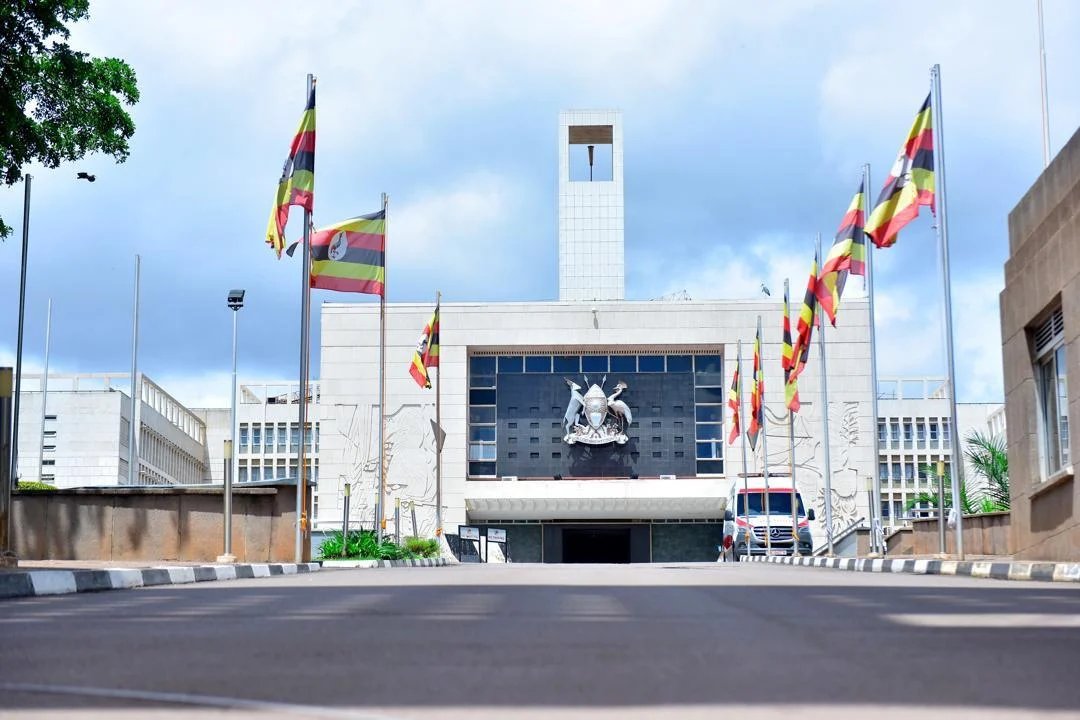
As Parliament prepares to discuss the Food Reserve Bill, various leaders and civilians have expressed mixed reactions. While some support the initiative, others resist it due to concerns over corruption in the country.
Nelson Nabaasa, the LC3 Chairperson of Kihiihi Sub-County in Kanungu District, welcomed the idea, saying it is important for the country’s food security. However, he expressed concern that corruption may hinder its implementation, citing past experiences of mismanagement in national programs. He assured that in his area, residents would likely support the idea since most of them are farmers.
Geoffrey Kyomukama, the LC5 Chairperson of Rukungiri District, also supported the bill, stating that it would ensure food security, especially in times of crises such as droughts, heavy rains, pest infestations, and wildlife attacks on crops. He acknowledged that similar food storage systems were effective in the 19th century. However, he emphasized the need for thorough government investigations and sensitization before implementation to create awareness about suitable crops for different regions.
Despite his support, Kyomukama pointed out that Uganda’s situation is different from Rwanda’s, where large-scale farming makes food reserves more feasible. He argued that for the system to work in Uganda, the government might have to enforce food storage at designated zones, even for those with limited land.
Milton Nabaasa, a resident of Kitanda Cell in Buyanja Sub-County, Rukungiri District, strongly opposed the bill. He cited high levels of corruption, recalling the mismanagement of COVID-19 food relief (Posho) in 2021. He argued that while food reserves worked well in the past, corruption in recent years would likely prevent the system from functioning effectively.
Similarly, Kajura Moses, the LC1 Chairperson of Bugandaro Cell in Kacereere Town Council, Rubanda District, dismissed the bill as unrealistic. He explained that Rubanda’s hilly terrain limits agricultural land, forcing residents to farm on a small scale. With minimal harvests, he argued that people barely have enough for consumption, let alone to set aside for reserves.
Ivan Rwanyakibare, the LC3 Chairperson of Rugarama in Ntungamo District, also rejected the bill, stating that most civilians have limited land and prioritize food consumption and selling their produce to educate their children. He strongly criticized corruption in government programs, particularly the COVID-19 food relief scandal in 2021. Instead of the food reserve bill, he urged Parliament to focus on more pressing issues such as poverty alleviation and insurance programs.
The debate over the Food Reserve Bill highlights deep concerns about corruption and feasibility. While some leaders see the potential benefits of food security, others argue that land constraints and mismanagement make the plan impractical. As discussions progress, Parliament will need to address these concerns to ensure a workable and transparent implementation strategy.
