
Staff Reporter
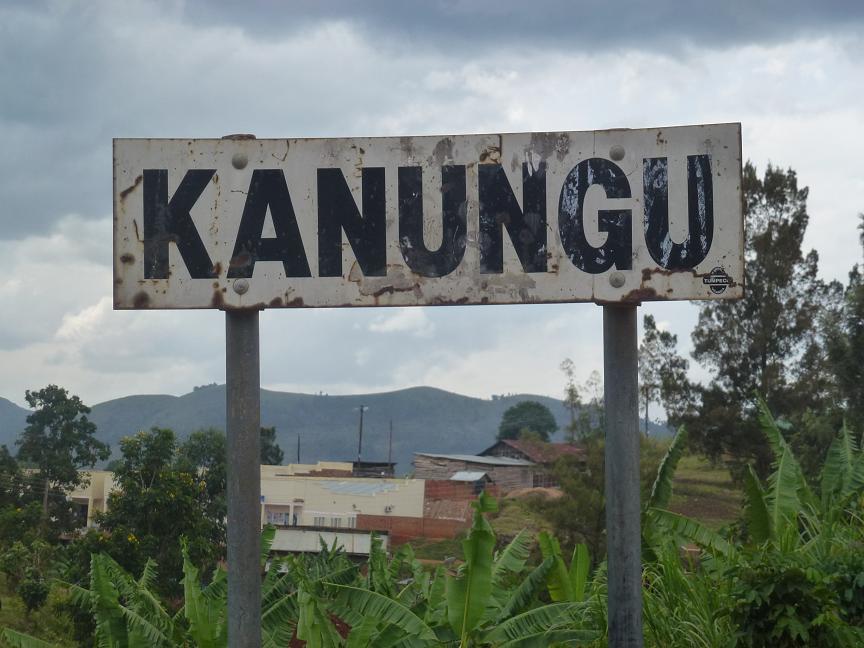
Health authorities in Kisoro District have banned the importation of animals and animal products from Kanungu District following an anthrax outbreak reported last week.
Dr. Stephen Nsabiyumva, the Kisoro District Health Officer, made the announcement during a workshop at Tourist Hotel in Kisoro town. The workshop aimed to educate Village Health Teams (VHTs) about zoonotic diseases.
Anthrax was officially declared in Kanungu District on September 17, 2024, after three people in Katojo Village, Kambuga Town Council, died, and 68 cows were lost. Kanungu District heavily relies on livestock, particularly cows, goats, sheep, and pigs. Health officials are concerned about the potential spread of the disease and have urged the public to avoid consuming meat from infected animals.
Dr. Nsabiyumva highlighted the dangers of importing potentially infected animals or their products. He advised the public to avoid consuming meat from dead animals and recommended that such carcasses be buried or burned. He also encouraged VHTs to report any suspected cases promptly to help manage the outbreak effectively.
During the workshop, Emmanuel Maniraguha, Director of Tourland Cottages and sponsor of the event, urged the public to prioritize their health by seeking medical attention and maintaining routine health practices, such as deworming. He stressed that taking these preventive measures is essential for improving overall well-being.
In related news, the Ministry of Health on Monday received a donation of Mpox Sample Collection Kits from the World Health Organization (WHO) Uganda, valued at UGX 56 million. Dr. Charles Olaro, representing the Director General of Health Services, along with Dr. Daniel Kyabayinze, Director of Public Health, and Dr. Henry Kyobe, Incident Commander, received the consignment. Dr. Olaro expressed gratitude to WHO for their support during public health emergencies and pledged that the kits would be used effectively.
Anthrax, caused by the bacterium Bacillus anthracis, is a serious zoonotic disease that naturally occurs in soil and affects various animals. Human infection occurs through contact with infected animals or contaminated products, leading to symptoms such as skin ulcers and respiratory complications.
