
Editor
Kabale District Local Government, in partnership with the Ministry of Health and funded by the World Health Organization and Global Diabetes Compact, has launched the Diabetes and Cardiovascular Diseases (Di-CARD) project to combat non-communicable diseases. These diseases pose a significant threat both globally and nationally.
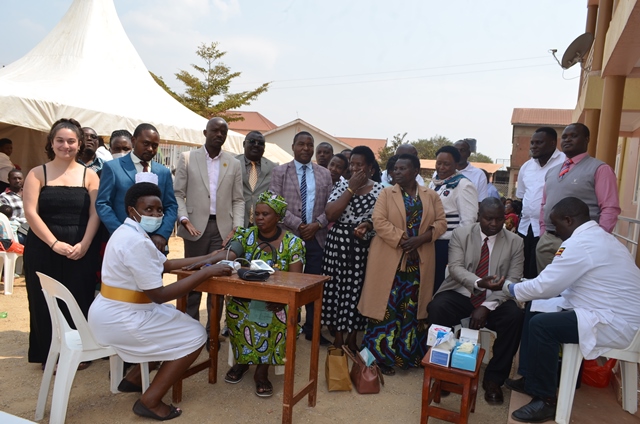
The launch event took place at Kamukira Health Center IV in Kabale Municipality. This four-year project, valued at $1.36 million, is being implemented in both Uganda and Ghana. In Uganda, it specifically targets Lira City, Sembabule, Koboko, and Kabale District. According to the Uganda 2023 National Non-Communicable Diseases Risk Factor Survey, diabetes affects up to 3.3% of the population. Additionally, one in four adults has hypertension, and one in three adults is either overweight or obese.
During the launch, Dr. Frank Mugabe, Principal Medical Officer in the Department of Non-Communicable Diseases at the Ministry of Health, warned Kabale District residents about the excessive consumption of locally fermented drinks made from sorghum, known as “Enturire,” and other alcoholic beverages, highlighting their potential to cause diabetes and hypertension.
Dr. Mugabe advised residents to avoid these drinks, reduce their intake of salty foods, and quit smoking. He also recommended increasing the consumption of vegetables to maintain health.
Godfrey Nyakahuma, the Kabale Resident District Commissioner, representing Dr. Olaro Charles, the Director of Clinical Services at the Ministry of Health, noted that 32% of Ugandan adults consume alcohol, 8.3% use tobacco, 3% are physically inactive, and 88.9% consume inadequate fruits and vegetables. These are modifiable risk factors contributing to the burden of non-communicable diseases, which account for approximately 33% of all reported deaths.
Nyakahuma emphasized that the project will focus on the prevention and control of diabetes and cardiovascular diseases, promote the institutionalization of the global diabetes compact, prioritize diabetes and cardiovascular diseases politically and budgetarily through resource mobilization and partnerships, and improve access to and utilization of diabetes and hypertension services.
Dr. Gilbert Arinaitwe Mateeka, the Kabale District Health Officer, reported that an average of 14 diabetes patients and 24 hypertension patients are seen monthly in the district, highlighting the risk to every resident.
Globally, the prevalence of diabetes has nearly doubled since 1980, rising from 4.7% to 8.5% in the adult population. This alarming trend is reflected in Uganda, where diabetes affects up to 3.3% of the population, according to the Uganda 2023 National NCDs Risk Factor Survey, also known as the STEPS survey.
