
Staff Reporter
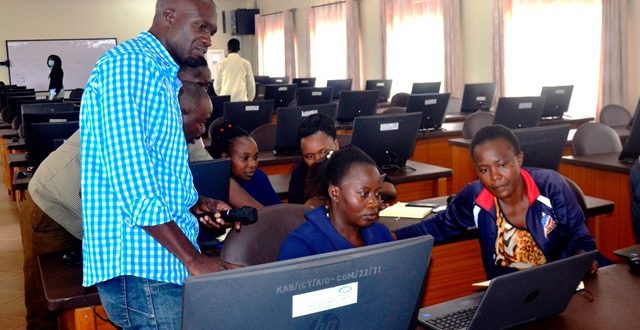
Kabale District has embarked on a transformative journey in healthcare with the introduction of Electronic Medical Records (EMR), a system designed to revolutionize data management and enhance healthcare delivery. This initiative follows a comprehensive two-day capacity-building workshop held at the Kabale University Innovation Hub, which concluded today.
The training, organized by the Ministry of Information, Communications Technology, and National Guidance, brought together clinicians, administrators, and data managers from various health facilities. The focus was on equipping health workers with essential computer skills to effectively utilize the new EMR system.
Ritah Kisembo, an IT officer from the Ministry, highlighted the benefits of the EMR system. She noted that it will enable health workers to access patient information more swiftly and accurately, maintain detailed medical histories, minimize errors associated with paper records, and eliminate the need for patients to carry physical documents. This advancement is expected to enhance diagnosis and treatment processes.
“The government’s goal is to digitize services to boost efficiency and accessibility, ultimately improving service delivery,” Kisembo stated. The Ministry plans to extend this training to health workers in other districts as part of its broader digital transformation agenda.
Denis Turyatunga, Senior Dental Officer at Kabale Regional Referral Hospital and a workshop facilitator on behalf of the Ministry of Health, emphasized the positive impact of EMR systems. He noted that the adoption of EMR will significantly enhance communication among health workers and streamline patient record-keeping. This, in turn, will lead to a more organized approach to healthcare, allowing doctors and nurses to quickly access patient histories, lab results, and treatment plans.
The introduction of EMR is set to be a game-changer in improving healthcare delivery across Kabale District and beyond.
