
STAFF REPORTER
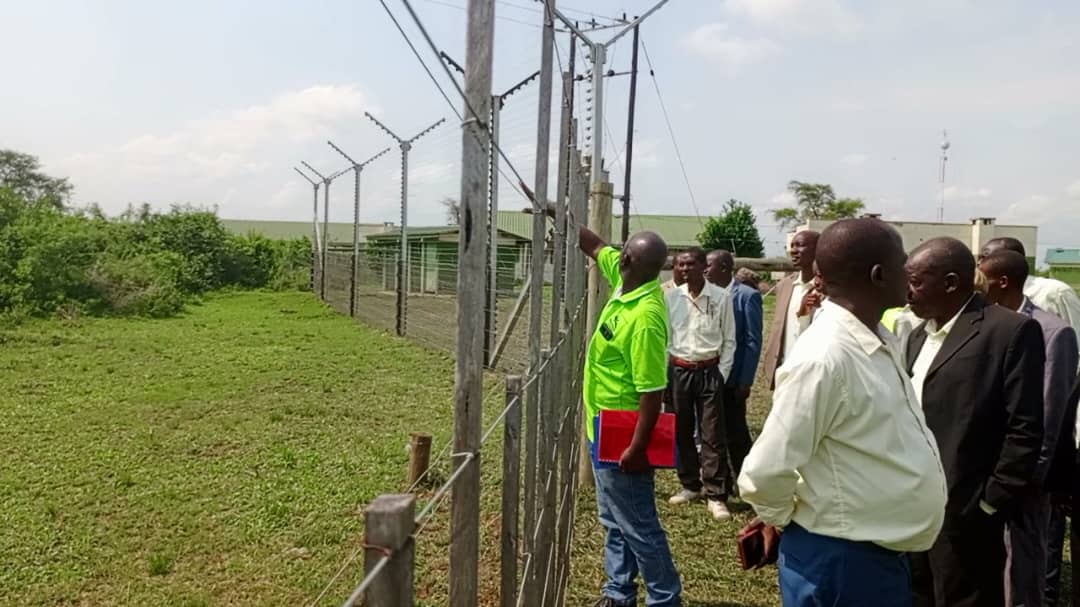
The fencing of Queen Elizabeth National Park is almost complete, with just a few roads in Kihiihi and Nyanga sub-counties still requiring final touches. While the fence has brought peace and security to many residents, there are mixed reactions among the communities affected by the project.
In Kihiihi sub-county, villages such as Kameeme, Kyenyabutongo, Rwerere C, and others, along with Nyanga sub-county’s Bukorwe and Burambi villages, have been significantly impacted by the fencing, which began on June 17, 2024, along the Uganda-Congo border at Ishasha.
One group feeling the weight of the change is former poachers, who have been reformed and now comply with the government’s regulations. According to Erasmus, a former poacher, they used to hunt animals in the park for food and income before the fencing. Now that their primary source of livelihood has been cut off, they are appealing to the government for support in finding alternatives like pig farming, beekeeping, and goat rearing.
Portious Ezuma, the chief warden of Queen Elizabeth National Park, stressed the importance of wildlife conservation, highlighting how fencing the park can still benefit local communities. Ezuma explained that wildlife can be a resource for locals if approached in a regulated manner and urged residents to take pride in protecting the animals.
For many, the fencing has brought a sense of relief. Residents of Kyumbugu and Rushorooza parish in Kihiihi sub-county, like Milton Mugisha, expressed satisfaction, noting that the fence has put an end to wildlife raids on their crops and homes. Monay Kereth, a resident, pointed out how the fencing has improved farming, increased peace, and allowed children to attend school without fear of wildlife attacks.
However, some residents, like Barugahare Julius, raised concerns about smaller animals like baboons, warthogs, Uganda kobs, and wild pigs that continue to invade farms, causing damage to crops such as sorghum, maize, bananas, and groundnuts.
While many appreciate the benefits of the fencing, safety concerns have been raised about the electric wires used in the structure. Byamukama Robert, an engineer involved in the project, warned that both humans and animals face risks of electric shock if they come into contact with the fence.
The fencing project is expected to bring long-term benefits to the region, including promoting wildlife conservation, improving safety, and fostering community development. However, the government is being called on to address remaining challenges, such as alternative livelihoods for reformed poachers and the issue of small animals raiding farms.
