
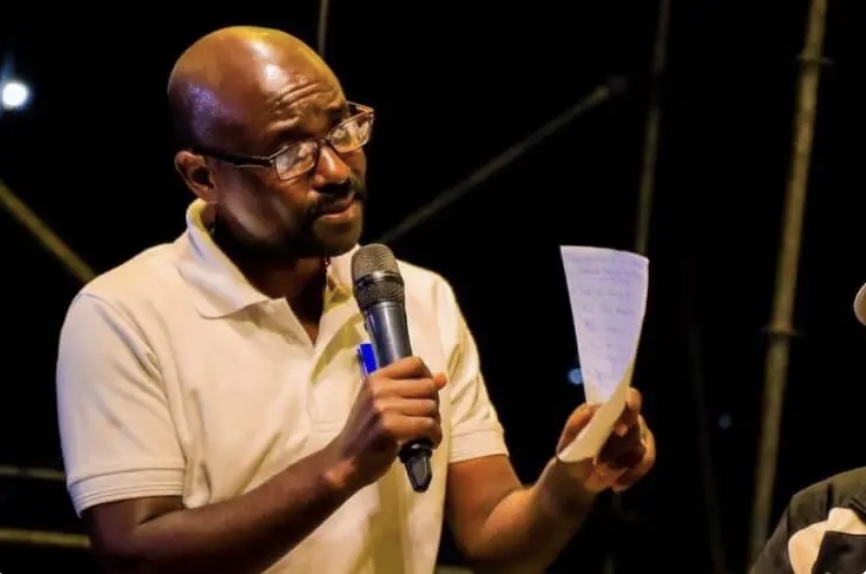
By Maanige Wenceslas
A retired teacher, entrepreneur, and proud farmer residing in Kitanda – Nyakaina, Buyanja, Rukungiri District.
Uganda’s core political problem is not just poor leadership — it is a fundamentally weak Parliament. In 2005, our legislators made a historic error by voting to remove presidential term limits. That decision, reportedly incentivized with cash handouts (I vividly recall the infamous 5 million shillings per MP), opened the floodgates for unchecked power. It sent a clear message: democracy can be traded for personal gain.
Since then, a culture of clinging to power has trickled down to the lowest levels of leadership. Even in schools, class monitors resist stepping down, even after moving to a new class. The damage done in 2005 wasn’t just constitutional; it became cultural.
Today, we face the same cycle of broken politics, fueled by money and sustained by silence. Our political system is not designed for fresh voices or new ideas. Consider a fresh graduate who wishes to contest in the ruling party’s (NRM) primary elections. Where would they find the 3 million shillings required just to appear on the ballot? And if they somehow managed to raise the money, how would they navigate an electorate where voters often expect handouts before casting their votes?
Let’s be honest: is there any Ugandan today who is willing to vote without first asking for money? Vote buying is no longer an isolated incident — it has become an expected transaction. This reality not only discourages genuine leadership but ensures that only those with money, connections, or both can access power. Meanwhile, capable, ethical, and educated youth are locked out of the system.
It is time we admit that Uganda is in the middle of a deep political crisis, one we have consistently dodged. The signs are all around us: disillusioned youth, declining voter turnout, rising apathy, and a political elite that continues to recycle itself while the country stalls.
We must stop pretending that the very people who led us into this crisis will lead us out of it. Uganda needs bold reforms — not just in law, but in mindset and practice. We must rebuild public trust, empower young leaders, and finally confront the money-politics rot that has corroded our democracy.
If we don’t act now, the crisis will only deepen. And by the time we decide to face it, it may be far too late.
