
EDITOR
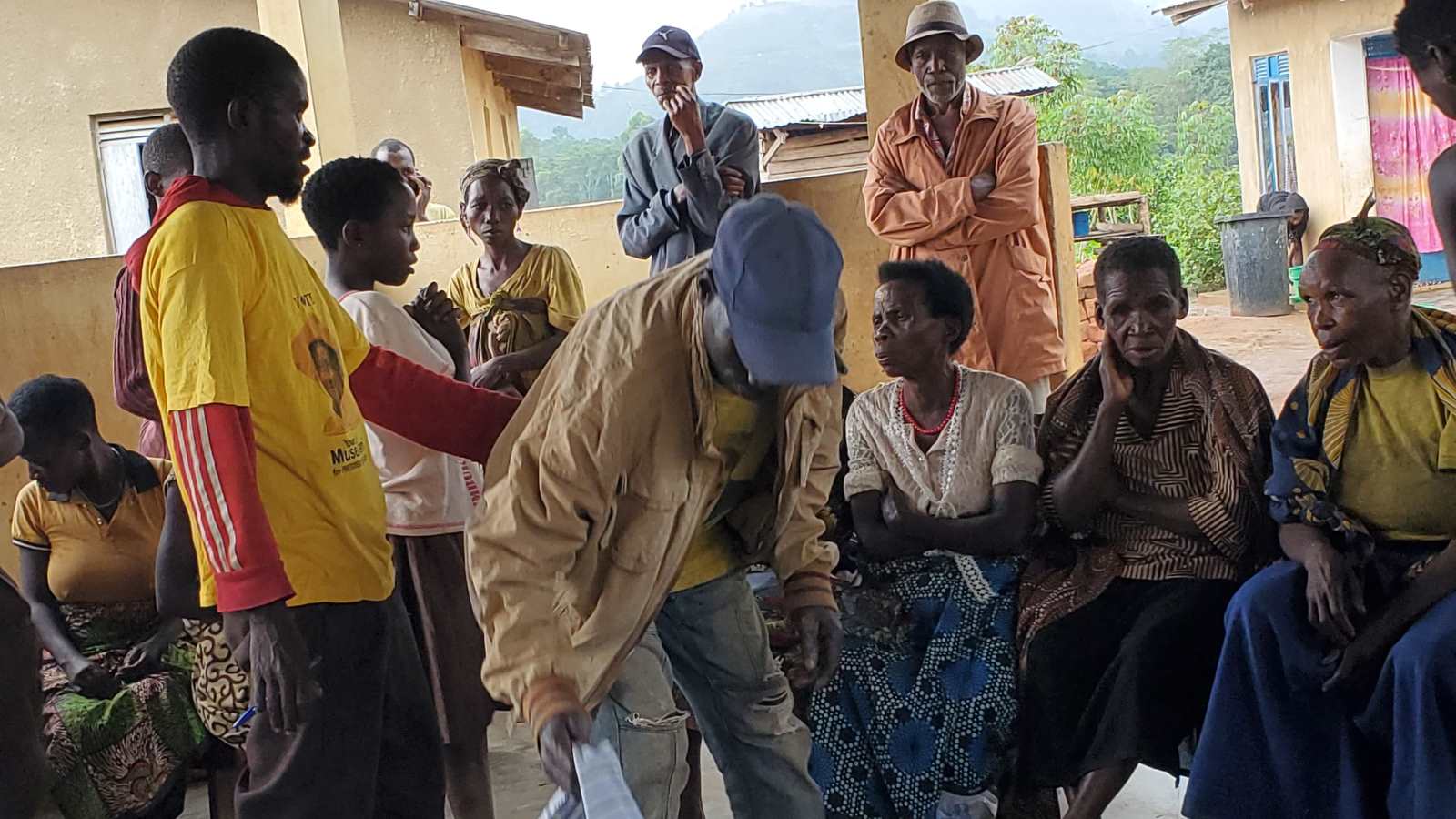
As Uganda continues to champion biodiversity and ecotourism, a deep-rooted conflict between conservation efforts and Indigenous rights is resurfacing in the dense shadows of Bwindi Impenetrable Forest. The Batwa, an Indigenous community evicted over six decades ago to pave the way for conservation, is calling for a redefinition of environmental justice—one that includes them as rightful stewards of the land they once protected.
The government’s 1961 move to gazette Bwindi as a protected area to conserve endangered species, particularly the mountain gorilla, came at a steep human cost. The Batwa, long-time forest dwellers, were expelled without compensation or resettlement. While Uganda’s conservation credentials have soared internationally, the Batwa were pushed to society’s margins.
The contrast is stark: Bwindi, now a UNESCO World Heritage Site, attracts thousands of tourists and garners millions in international funding annually. Yet, the Batwa—once custodians of the same ecosystem—struggle in poverty on the forest’s periphery, without land rights or access to basic services.
“Tourists come to see gorillas and leave. Nobody sees us,” says Benon Karimunda, a Batwa elder. “We protected these forests for generations without cutting trees. Yet today, we are treated like intruders.”
The situation raises pressing questions about conservation ethics and the place of Indigenous peoples in modern environmental frameworks.
Conservationists have often viewed human presence, especially traditional communities, as threatening biodiversity. But global perspectives are shifting. Studies show that Indigenous communities, when empowered, are effective conservation partners.
“The Batwa’s knowledge of medicinal plants, wildlife behavior, and forest sustainability is unmatched,” notes a local NGO worker familiar with community-based conservation. “Excluding them was a historic mistake.”
There are growing calls for Uganda to adopt more inclusive conservation models that recognize Indigenous knowledge and land rights, not just in policy, but in practice.
The Batwa’s displacement has also left them vulnerable to the growing climate crisis. With no land, many now depend on unpredictable farm labor and seasonal charity. Women and children bear the brunt of this instability, with rising malnutrition and health concerns.
Health volunteer Kiconco Looda adds, “Without access to the forest’s natural foods and herbs, our health has declined. Our people are suffering diseases they never had when we lived in the forest.”
While NGOs like the Batwa Development Programme and Bwindi Mgahinga Conservation Trust have provided vital support in education and livelihood projects, Batwa leaders argue that these are not substitutes for systemic change.
