
Senior Reporter
The Ntungamo district council has decided to resume the process of dividing the district into three separate districts. They believe that this is necessary to improve service delivery to the residents in the largest district in Southwestern Uganda.
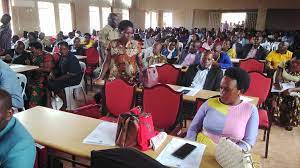
During a council meeting held on Wednesday and chaired by the district speaker, Nicholas Twikirize, several challenges were discussed. These challenges included issues with road infrastructure, the university government sponsorship quota system, classroom allocation in education, and problems with the district’s wage bill. The council concluded that these challenges could only be effectively addressed by dividing the district.
The councilors have agreed to divide the district into three distinct districts: Ntungamo, Rushenyi, and Kajara.
This decision to divide the district was initially proposed in 2013, but the two subsequent requests were rejected by President Museveni. The President’s reasoning was that he did not want to see Ntungamo, a district he hails from, split into smaller divisions.
However, John Kabeho, a councilor from Rubaare sub-county, argued that the President had not fulfilled promises such as providing additional road equipment or increasing the university quota system for the district’s students. With these unmet pledges and the lack of services for the district’s residents, having a larger Ntungamo district was becoming untenable.
The district executive, led by district chairperson Samuel Mucunguzi Rwakigoba Salongo, has been given the task of outlining the clear processes required to divide the district before the 2026 elections.
The council also expressed concerns about the non-remittance of local revenue collected by sub-counties. Councilors noted that sub-county chiefs were not remitting the funds collected from local sources to the district.
Additionally, the council made several other recommendations, including government reporting for Ankole Medical Centre in Kashanda, Rubaare sub-county, the allocation of land to Ntungamo College of Nursing and Midwifery, the approval of a supplementary payment of UGX 404.6 million for local leaders, and the approval of a supplementary budget of UGX 2.336 billion for the production department, among other issues.
