
MICHAEL N
Kacherere Primary School, a government-aided institution established in the early 1980s and located in Rubaare Sub-county, Rushenyi County, Ntungamo District, is grappling with severe infrastructure challenges that are negatively impacting the quality of education.
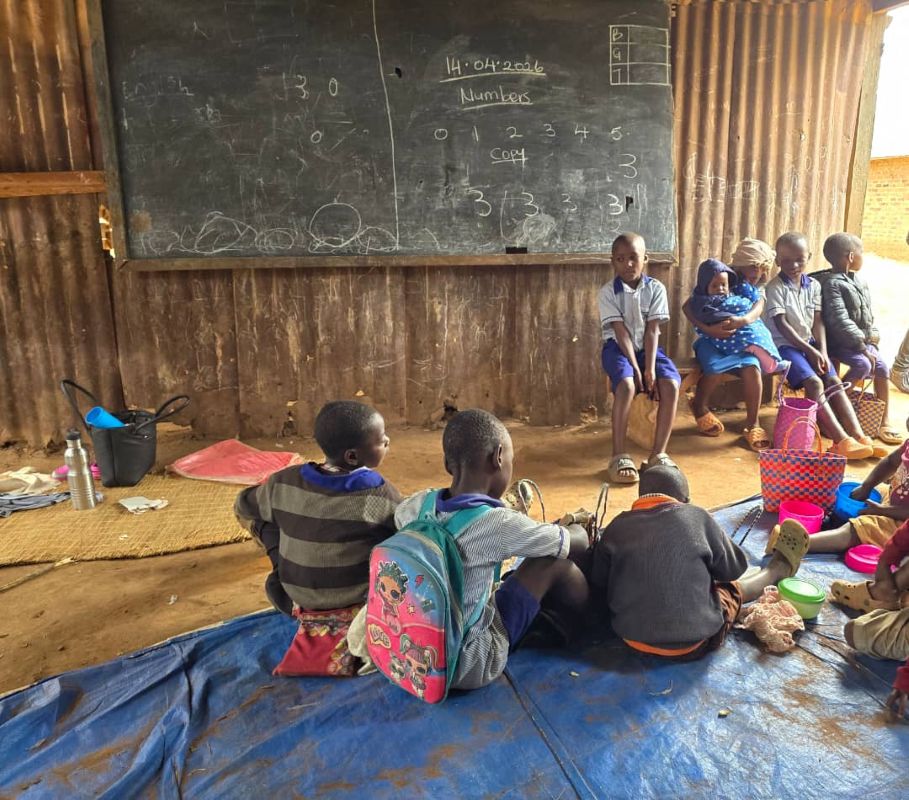
The school currently operates under difficult conditions, with some learners studying in temporary wooden classrooms covered with mats, while floors are smeared with cow dung. A shortage of desks and chairs has forced a number of pupils to sit on the floor during lessons.
This situation has prompted school authorities, parents, the PTA, and alumni to raise concern and call for urgent government intervention to improve the school’s infrastructure and provide essential learning facilities.
The Headteacher, Mrs. Lovence Basikana, revealed that Primary One, Primary Four, and the entire nursery section are forced to study in shifts due to limited classroom space. She noted that this arrangement exposes learners to harsh weather conditions, especially during morning hours and rainy periods, which affects concentration and overall academic performance.
Lovence further disclosed that the school has an enrollment of 351 pupils, but the lack of adequate desks, chairs, and proper classrooms is contributing to a decline in numbers, as some parents are transferring their children to better-equipped schools.
She also highlighted the challenge of inadequate staff accommodation, explaining that some teachers have requested transfers, while others commute long distances from rented homes or their residences, which affects their effectiveness and commitment.
Old students, led by Annet Tukamushaba and Ambrose Nuwahereza, expressed concern over the poor learning conditions, attributing the situation to limited government support for infrastructure development in local government-aided schools. They noted that many schools in Rushenyi County face similar challenges and often rely heavily on contributions from parents.
Meanwhile, a concerned parent, Edison Tumukunde, has appealed to the government, non-governmental organizations, well-wishers, and alumni to intervene by constructing permanent classrooms, providing furniture, and extending access to electricity and clean water to create a conducive learning environment.
