
MICHAEL N
The Ntungamo District Agriculture Officer, Esther Atwine, has called on farmers to adopt modern farming methods in order to improve production, withstand climate challenges, and benefit from the growing market opportunities within the district.
Speaking in an interview with our reporter, Esther emphasized the importance of matching crops with the right soils and selecting drought-tolerant varieties to improve yields. She revealed that the government is supporting farmers in areas like Kyamate and Kashenyi with irrigation systems, where farmers contribute 30 percent of the cost while government caters for the remaining 70 percent. According to her, this intervention enables farmers to continue producing high-quality crops that fetch good prices in the market.
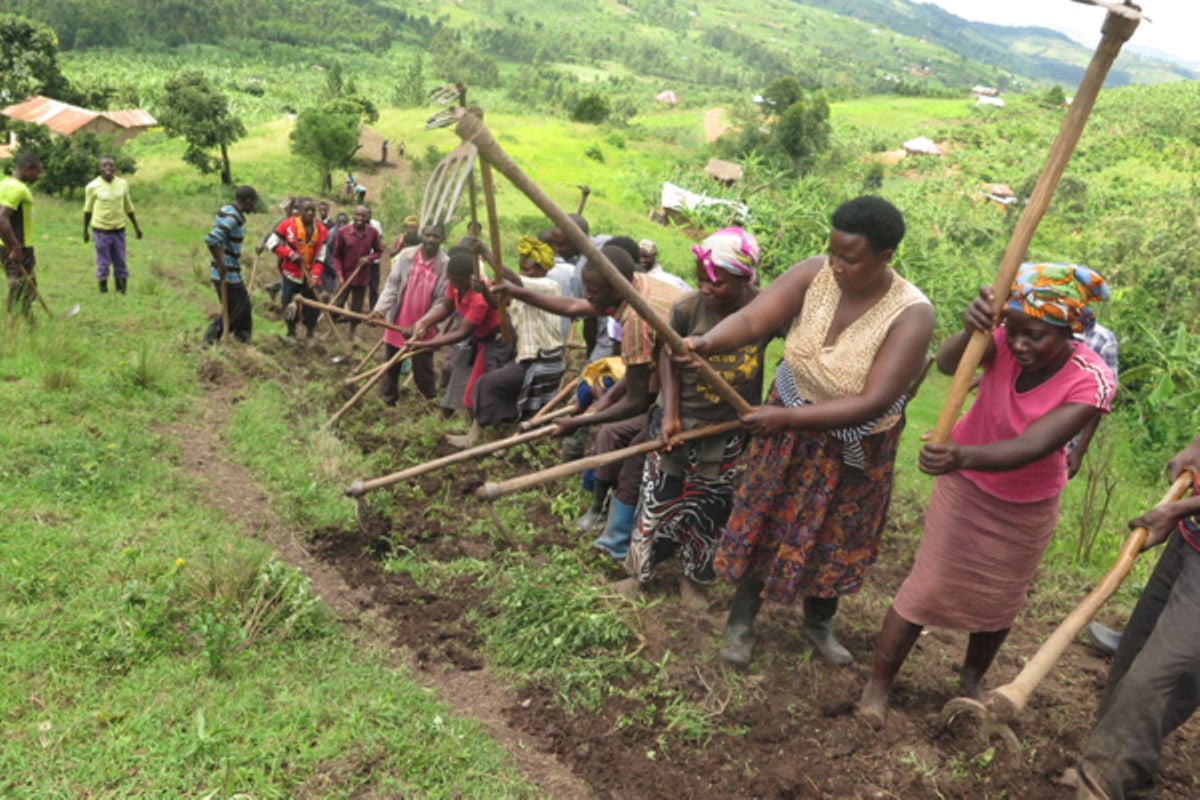
Atwine noted that many farmers in Ntungamo have suffered losses due to destructive winds and storms, which are worsened by poor farming methods. She encouraged farmers to plant trees around their gardens, dig trenches and pits to slow down running water, and protect wetlands which play a vital role in rainfall formation and water drainage. She cited Ihunga in Kajara and Kashenyi-Goma in Rushenyi as some of the most affected areas due to deforestation.
The Agriculture Officer also advised farmers against selling produce directly from their farms, urging them instead to prepare and take crops like coffee to established markets, where they can earn better prices. She stressed the need for farmers to grow high-quality crop varieties with ready markets, noting that Ntungamo is well positioned with an increasing number of coffee, cereal, and dairy factories.
On seasonal preparation, Esther said most productive farmers plant between September and October 15th, a period she described as favorable for better yields. She advised farmers to prepare their gardens early during the dry season so that crops can benefit from moderate climatic conditions once rains begin.
She further reminded farmers to be vigilant against pests and diseases during the rainy season by regularly monitoring their gardens, spraying, and seeking expert advice when necessary. To maximize production, she recommended a spacing of 3ft by 3ft between plants, which ensures proper growth and reduces competition for nutrients.
