
GIDEON TUMWIJUKYE
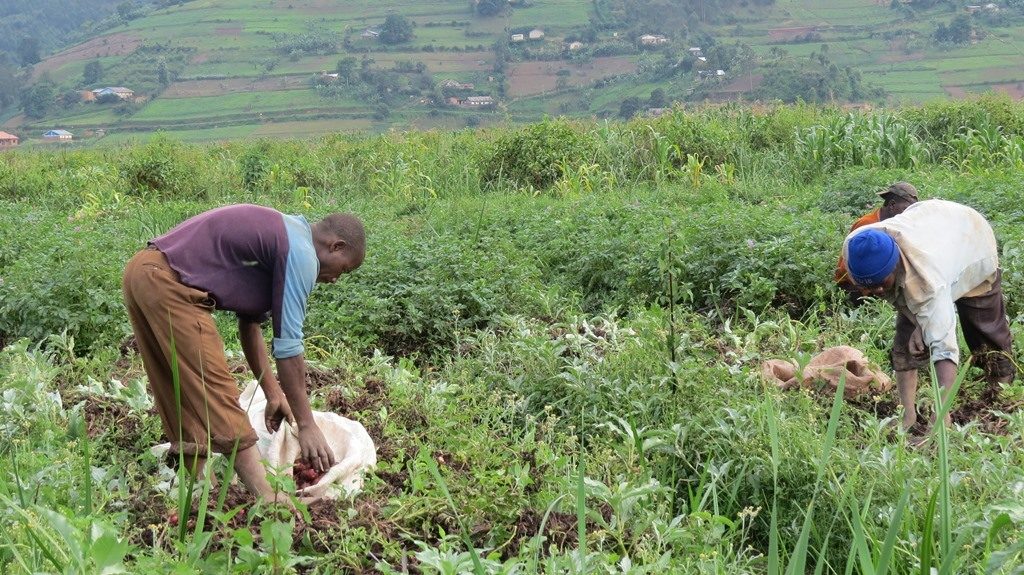
KABALE-To restore wetlands in Kabale District, authorities, in collaboration with the Ministry of Water and Environment, have launched a project to rehabilitate a 300-hectare wetland and 400 hectares of the Nyombe catchment area in Kahungye Sub-County. The goal is to reduce soil erosion on Nyombe hills and restore soil fertility for improved crop production.
During the project launch, Kabale District Resident Commissioner Godfrey Nyakahuma emphasized the government’s commitment to a robust campaign aimed at restoring wetlands previously occupied by individuals engaged in livestock farming and agriculture. This initiative is part of efforts to combat the impacts of climate change, such as flooding, and to preserve local ecosystems. Nyakahuma also announced plans to introduce an ordinance mandating terracing in hilly areas to help control soil erosion.
Kabale District Local Government Natural Resource Officer Henry Tumwesigye Kamutoro noted that community members have been sensitized about the ecological importance of the wetlands and have voluntarily agreed to vacate them, opting instead to use the nearby catchment hills. He added that bamboo trees, known for their environmental benefits and water retention capabilities, will be planted, and the water trenches that were dug to drain the wetland will be filled to support its natural restoration.
Otuka Gilbert from the Ministry of Water and Environment reported that 80 km of the project area has been demarcated, and the restoration phase is now underway. He explained that although the area had been infertile, the new approach will enhance soil fertility by preventing further erosion. Three committees have been formed to oversee the management of Nyombe Hill and implement strategies to stop soil runoff into the wetland.
Kabale Chief Administrative Officer Asiimwe John assured the community that those affected and registered will be compensated soon. He also encouraged the community to engage in agroforestry, planting trees that can provide food and contribute to environmental protection.
