
In many media discussions today, you will hear one repeated statement: “Journalists should not show political bias.” It sounds noble, perhaps even professional, but let us pause and reflect. Is neutrality the highest form of journalism? Or is it a smokescreen that often hides cowardice, privilege, and detachment from the real issues affecting our societies?
As a media practitioner, I argue unapologetically that showing a political side is not only justifiable but also often necessary. Journalists are not robots. We are humans, citizens, and stakeholders in the future of our communities. And in times when injustice thrives and the voices of the marginalized are ignored, silence or neutrality becomes complicity.
Let us begin with honesty: no journalist is completely neutral. Every choice we make—which story to cover, who to interview, what angle to take, and what language to use- is political. Even deciding to focus on “both sides” can reinforce harmful false equivalence, especially when one side represents oppression or lies.
History reminds us that the greatest journalists were never neutral. From Ida B. Wells exposing lynching in America to Uganda’s courageous reporters who stood up to dictatorship, their work was political. They did not hide behind objectivity. They took a side—the side of truth, justice, and dignity.
Some fear that journalists who take a side will mislead the public. But the real danger lies in pretending to have no side while shaping the audience’s view silently. When a journalist openly declares their political alignment or openly advocates for the oppressed, the audience is at least aware of the lens. Transparency builds more trust than pretending to have none.
When journalists try too hard to be neutral, they risk silencing uncomfortable truths. For example, when corruption is being investigated, should a journalist “balance” that by defending the corrupt? Absolutely not. Taking a side helps shine light where it’s needed most.
Especially in developing democracies like Uganda, journalism is a tool for shaping society. Why then should journalists pretend to float above the struggle? Should we not be part of the solution? Should we not back leaders, policies, and movements that improve lives?
Showing your political side does not mean becoming a propagandist. It means acknowledging your values and standing by them openly. As a journalist, I choose to side with the people, with transparency, and with development even if that offends those who benefit from the status quo.
Let’s be honest: when we tell journalists not to show their side, what we often mean is, “Don’t challenge the powerful.” We mean, “Say nothing that rocks the boat.” But journalism exists to rock the boat, to question power, to demand accountability, and to highlight voices that are often ignored.
When journalists stay silent or overly neutral, they allow the powerful to shape the narrative unchallenged. In a world where politics determines life and death, from health budgets to land rights, it is immoral for journalists to pretend they have no opinion.
Journalists must be ethical, factual, and fair, but that doesn’t mean they must be neutral. If the truth has a political implication, so be it. If defending human rights means you are labeled biased, wear that label with pride.
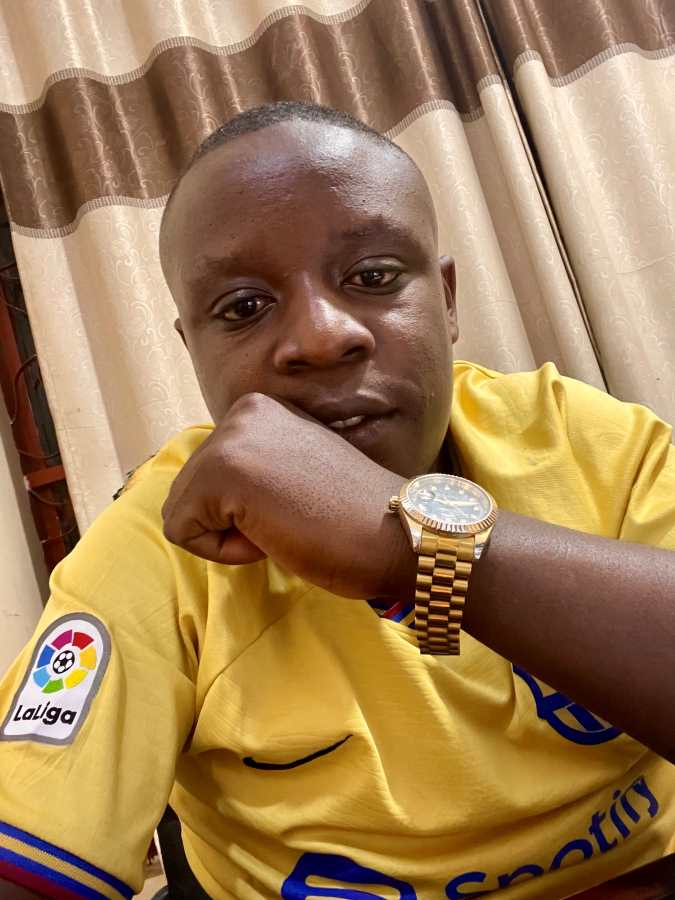
I, Bob Rumanzi, believe journalism is not just about watching from the sidelines. It’s about taking your pen and voice and standing with the people who need you most, not hiding behind the name of objectivity. Neutrality in the face of oppression is not a professional stance. It is betrayal.
Let journalists take sides on the right side of history.
By Bob Rumanzi—Media Practitioner and Youth Activist
