
STELLA T
Farmers have been urged to be aware of the highly contagious and often fatal goat and sheep plague, also known as Peste des Petits Ruminants (PPR), the disease which can cause devastating economic losses by wiping out up to 90% of a herd in some instances.
This was revealed today by Rukungiri District veterinary officer Dr. Johnson Ninsiima in an exclusive interview with our reporter.
He noted that PPR is a virus belonging to the genus Morbillivirus, the same family as the rinderpest virus, which has since been eradicated, noting that it spreads rapidly through close contact with an infected animal’s secretions, saliva, eye, and nasal discharges, faeces, and urine. It can also be transmitted via contaminated feed, water, and pastures.
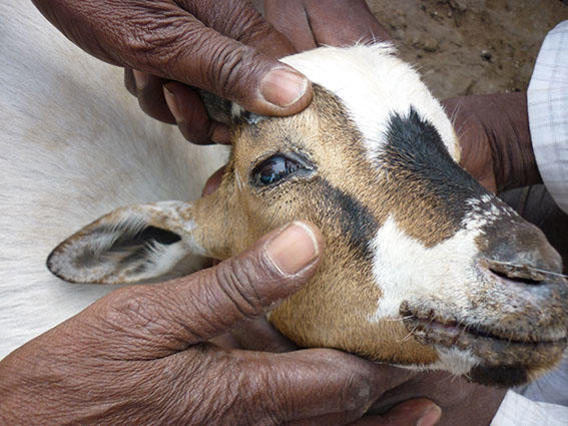
Ninsiima stressed that common symptoms in goats and sheep include sudden high fever, clear nasal and eye discharge that later becomes thick and pus-filled, crusting around the eyes and nose, mouth sores, erosive lesions, blisters, and ulcers inside the mouth, lips, and tongue, which can lead to a refusal to eat, diarrhoea, pneumonia, and respiratory signs like coughing and labored breathing, especially in the later stages, depression, loss of appetite, and a dull coat.
He noted that there is no specific cure for PPR once an animal is infected, making prevention critical, saying an immediate, coordinated response is necessary to contain an outbreak. In case of an outbreak: isolate sick animals, report to authorities, avoid transport, and use supportive care. A veterinarian may recommend supportive treatments like antibiotics to fight off secondary bacterial infections. Properly dispose of dead animals to prevent carcasses from contaminating the environment.
Ninsiima urged farmers on the prevention of future outbreaks, urging them to vaccinate, noting that vaccinating healthy animals in endemic areas is crucial. Practice biosecurity by implementing strict biosecurity measures, such as quarantining new animals for at least 14 days before introducing them to the main herd. Maintain sanitation and minimize stress. Proper feeding and avoiding stressful conditions can help strengthen animals’ immune systems.
He urged farmers to always follow government programs, like vaccination programs for animals, when the call is on to all farmers.
