
Senior Reporter
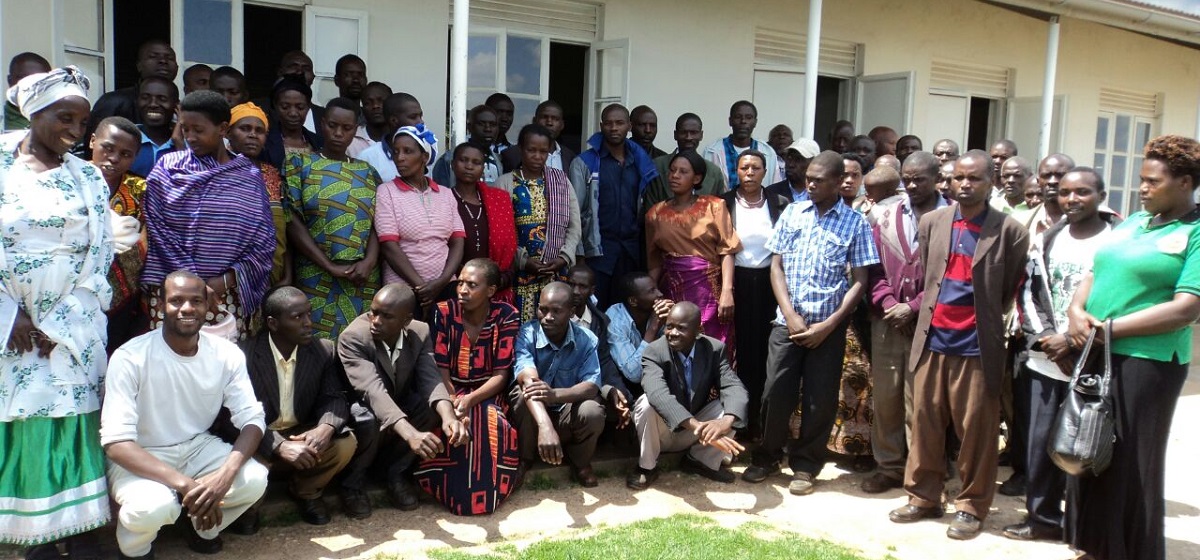
Authorities have revealed a concerning trend at Kabale Central Police Station and the Office of the Kabale Resident District Commissioner, where the number of cases reported by women has been steadily rising, averaging 21 per month. This was discussed during a human rights dialogue held at Kirigime Guest House in Kabale Municipality, organized by the Local Sustainable Communities Organization (LOSCO), in collaboration with the Uganda Community-Based Association for Women and Children’s Welfare (UCOBAC) and the Stand for Her Land Campaign (S4HL).
Ronald Bakak, the Kabale Deputy Resident District Commissioner, expressed concern over the increasing number of land-related complaints received by his office, noting that women were the most affected. These conflicts often result in the breakdown of families, with children also bearing the brunt as the involved parties spend considerable time in courts and with the police.
Samuel Barijunaki, the Officer in charge of the Land Desk at Kabale Central Police Station, disclosed that he registers 8 to 10 land cases every week, with the majority being reported by women. Judith Komugisha from the Uganda Human Rights Commission (UHRC) Kabale Office and Sunday Ben Duncan, a retired judicial officer, attributed this surge in cases to a lack of awareness among the public regarding land ownership laws.
Albert Taremwa, the Executive Director of LOSCO, highlighted their efforts in sensitizing various stakeholders about women’s land inheritance rights and property ownership to address the rising cases of domestic violence.
The dialogue also sheds light on the prevalent land rights violations against women in the Kigezi region, where cultural norms often restrict women’s access to land ownership. Customary practices such as unequal distribution of land after parental demise disproportionately affect married women, who typically receive limited shares compared to their brothers. Language barriers further complicate matters for judicial officers, especially in interpreting informal land acquisition practices like “Ekyemiziga,” which lacks documentary evidence.
Additionally, widows, particularly those in cohabiting relationships, face heightened risks of land grabbing and eviction by their in-laws, especially when their husbands pass away without leaving wills.
