
MICHAEL N
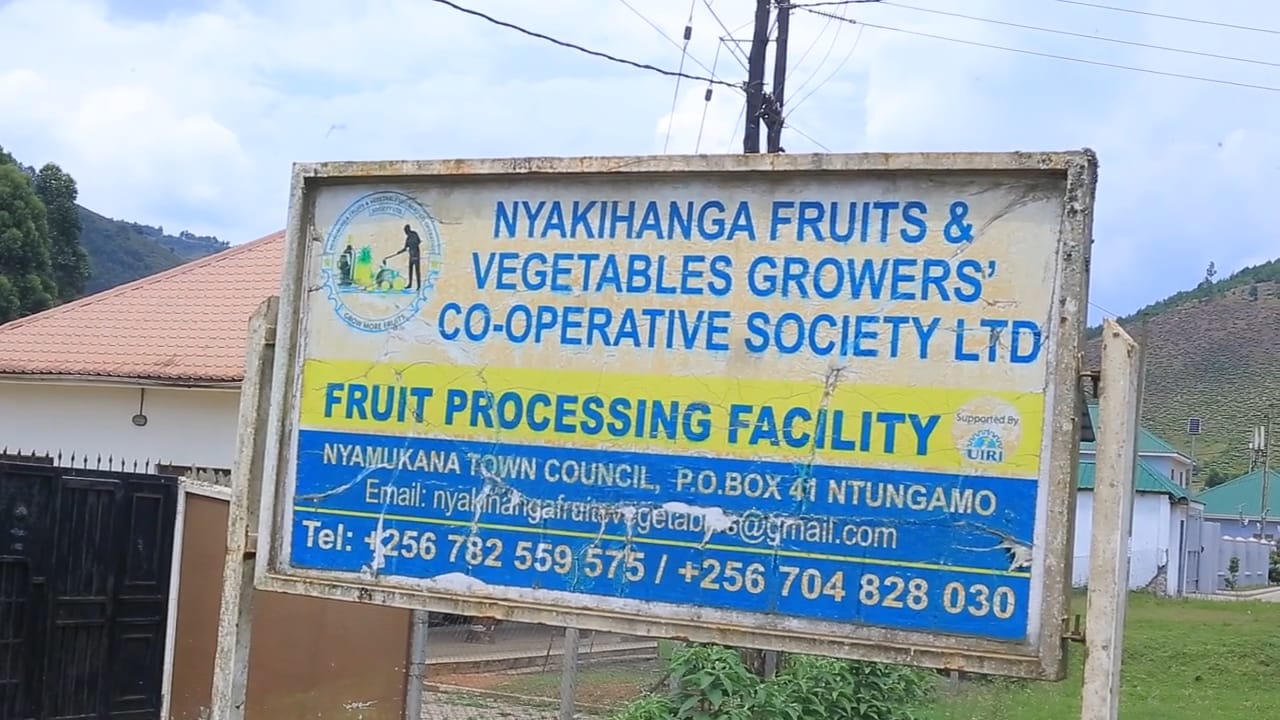
Pineapple growers and vendors in Nyamukana Town Council have expressed concern over the continued non-operation of the Nyakihanga Pineapple Factory, a project that was established to add value to their produce through juice extraction.
The farmers accuse some leaders of contributing to the collapse of the factory, which they say has greatly affected their livelihoods.
In 2017, the First Lady, Maama Janet Kataha Museveni, constructed the pineapple factory in Nyamukana Town Council at a reported cost of over five billion shillings. According to farmers and residents, the project also received 70 million shillings in operational funds and a truck to transport juice to various markets.
The Mayor of Nyamukana Town Council, Akim Amwine Garva, expressed dissatisfaction with the management of the factory, saying the project has not benefited pineapple farmers as intended. He noted that most families in Nyamukana and the greater Itojo area depend on pineapple and coffee growing as their main sources of income, while others buy pineapples from farmers for resale along the roadside.
He added that farmers harvest about 10 tonnes of pineapples every month.
Garva further revealed that for the past two years, the factory has not been operational. He said the factory truck has been parked at a petrol station in Nyamukana, workers continue to receive monthly salaries despite no production taking place, and equipment worth millions of shillings remains idle inside the buildings. He added that parts of the factory premises have since been turned into Town Council offices.
Pineapple farmers in Nyaruteme, led by Nickson Tudyaguma and Derrick Akampa, also voiced their frustration, accusing some leaders of mismanaging public opportunities meant to benefit the community.
They say large quantities of pineapples rot in stores due to lack of market, yet value addition through juice processing would have increased prices and improved their earnings.
The Chairperson of Pineapple Vendors at Nyaruteme Stage, Mrs. Annah Kyomugasho, together with vendor Allen Aniembabazi, said they are currently struggling with limited market access due to increased production. They noted that pineapples are often sold at low prices to traders from Rwanda, Kenya, South Sudan, and Tanzania. According to them, a functioning factory would help stabilize prices and increase farmers’ incomes.
Shakira Nakasero appealed to the government and relevant authorities to investigate the circumstances that led to the collapse of the factory. She stressed that during the few months the factory operated, pineapple prices improved, but farmers are now investing heavily with little return.
Promise Natukunda also expressed concern over what she described as government funds tied up in a non-operational factory. She questioned why workers continue to be paid while idle and why the factory vehicle remains unused, yet it could be helping farmers transport produce to markets.
Efforts by our reporter to obtain a comment from the factory management, led by Nathan Mutungi, were unsuccessful as they declined to speak about the matter.
