
JOANITAH K
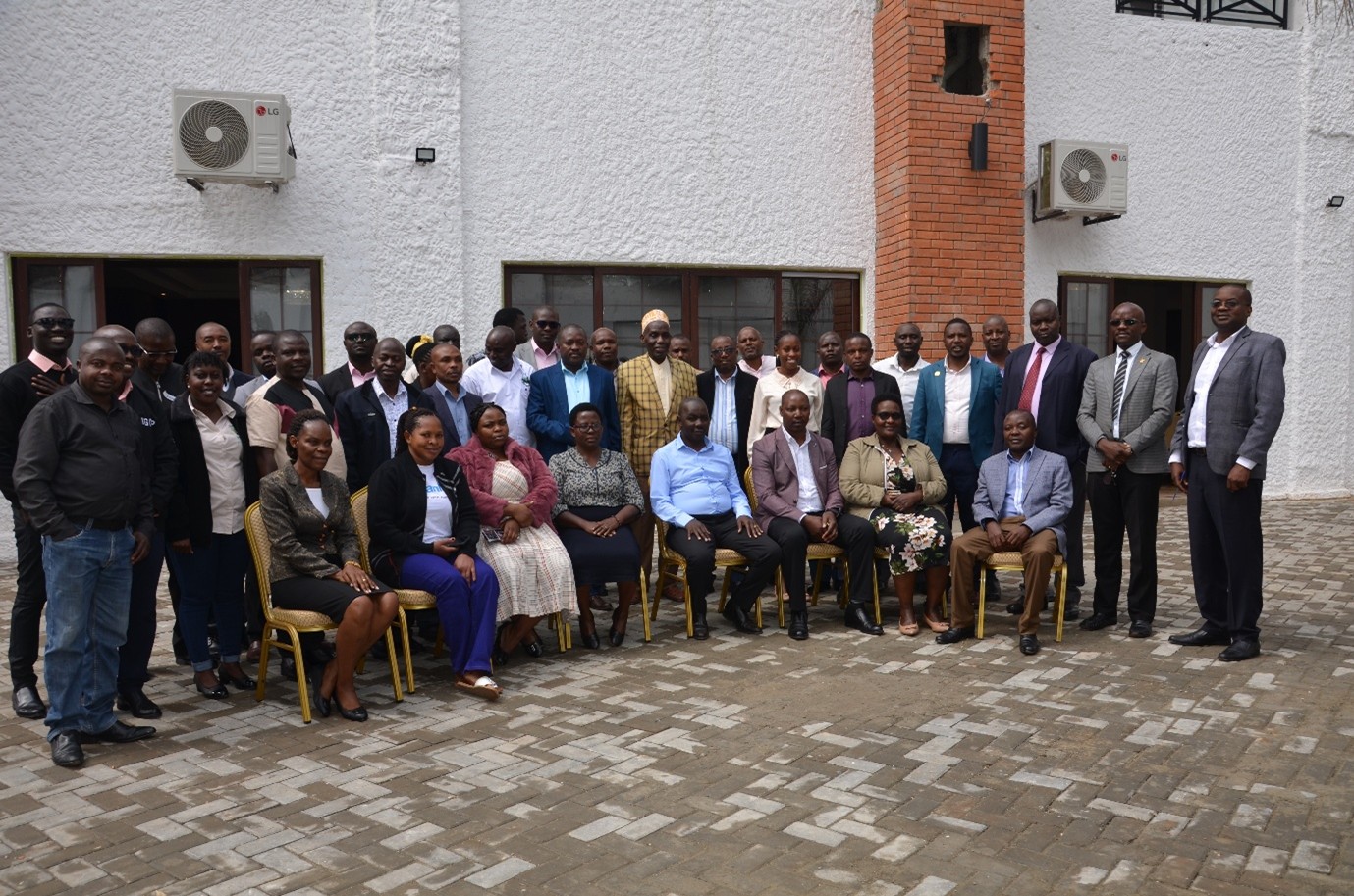
The International Gorilla Conservation Programme (IGCP) has convened a three-day One Health Platform training bringing together district technical teams from Kabale, Rubanda and Kisoro districts to strengthen preparedness and response to zoonotic diseases within the Greater Virunga Landscape.
Established in 1991, IGCP is a coalition of Conservation International, Fauna & Flora International, and the World Wide Fund for Nature (WWF) working to secure the future of mountain gorillas across Uganda, Rwanda and the Democratic Republic of Congo.
The ongoing training, held at White Horse Inn Hotel, is part of the project titled Strengthening One Health-based Prevention, Preparedness and Response in the Greater Virunga Landscape, which seeks to enhance capacity to prevent, prepare for and respond to zoonotic diseases with pandemic potential.
Speaking at the opening session, IGCP Country Coordinator Henry Mutabazi said the project aims to empower district local governments to effectively detect and manage disease threats at the human, animal and environmental interface. He explained that prior to the training, IGCP conducted district-level One Health needs assessments involving local governments and the Uganda Wildlife Authority to identify critical gaps, the findings of which informed the current capacity-building programme led by the National One Health team.
In addition, Dr.Fred Monje from IGCP said that local government officers should always investigate a disease outbreak through identifying the signs and symptoms, come up with enough data before its declared.
The Principal Environment Officer and One Health Focal Person at the Ministry of Water and Environment Uganda, Betty Mbolanyi, who currently chairs the One Health Platform, said the training is intended to strengthen coordination, communication and technical capacity among sectors. She noted that the Greater Virunga ecosystem faces increasing public health threats arising from interactions between humans, wildlife and livestock, urging participants to become ambassadors in addressing cross-cutting health risks.
Kabale District Principal Assistant Secretary Gordon Manzi emphasized that health challenges are cross-sectoral and require joint action. He observed that the training comes at a critical time when communities in the region have recorded incidents of wildlife crossing from protected areas into settlements, exposing residents to potential disease transmission.
Kabale Resident District Commissioner Godfrey Katamba welcomed the initiative, noting that strengthening disease prevention mechanisms is vital not only for public health but also for protecting tourism resources linked to Bwindi Impenetrable National Park and Mgahinga Gorilla National Park, which contribute significantly to local and national revenue.
Kisoro Resident District Commissioner Mr. Ssebyala Badru said participants were being retooled to strengthen their responsibility in promoting safe coexistence between humans, wildlife and the environment, adding that effective collaboration under the One Health approach is essential in preventing future disease outbreaks.
