
Editor
Today marks the commencement of elections in the Democratic Republic of Congo, spanning various levels of governance, including the presidential, parliamentary, provincial, and municipal tiers. A significant 44 million people have registered to cast their votes in this electoral process in the economically challenged central African nation, which has a population of approximately 100 million.
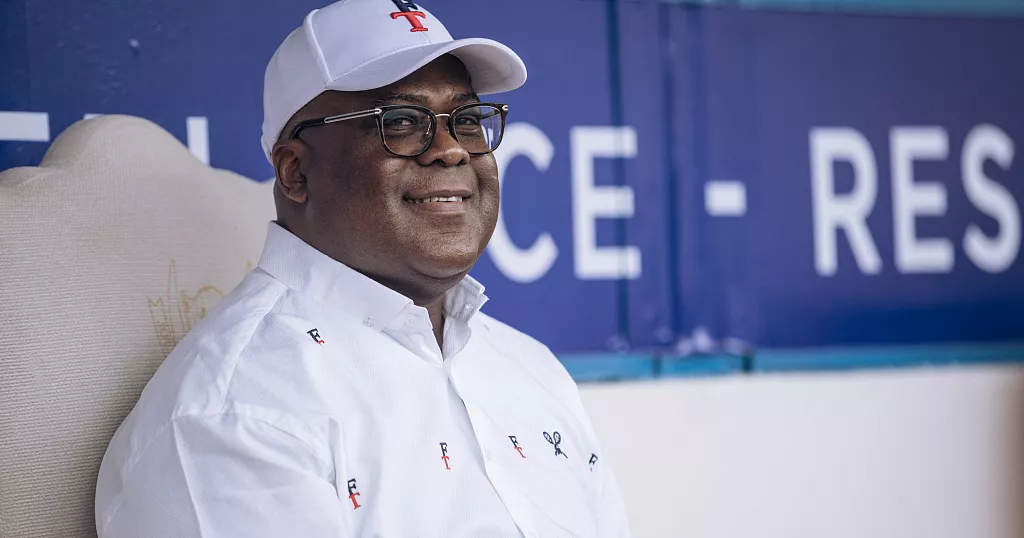
The presidential race employs a first-past-the-post voting system, with President Felix Tshisekedi, aged 60, seeking a second five-year term. Despite facing a fragmented opposition due to several withdrawals just days before the election, Tshisekedi is viewed favorably for success among the 18 contenders.
A notable challenger is Moise Katumbi, a 58-year-old business tycoon and former provincial governor, while Martin Fayulu, aged 67, asserts his claim as the rightful winner of the 2018 election. Another intriguing candidate is Denis Mukwege, a 68-year-old gynecologist and Nobel Peace Prize recipient, who has maintained a low profile after a subdued campaign.
All candidates have echoed similar pledges, emphasizing promises to generate employment, address conflicts in the eastern region, and advance infrastructure development. Despite its extensive mineral wealth, the Democratic Republic of Congo remains one of the world’s poorest countries, with over two-thirds of its population surviving on less than $2.15, according to the World Bank.
Concerns linger about the capacity of the Congolese electoral commission to conduct a timely and organized ballot, given the country’s vast size and limited road infrastructure. Congolese government spokesman Patrick Muyaya reassures voters that the elections will proceed smoothly, allowing them to “elect their new leaders in peace and serenity.”
