
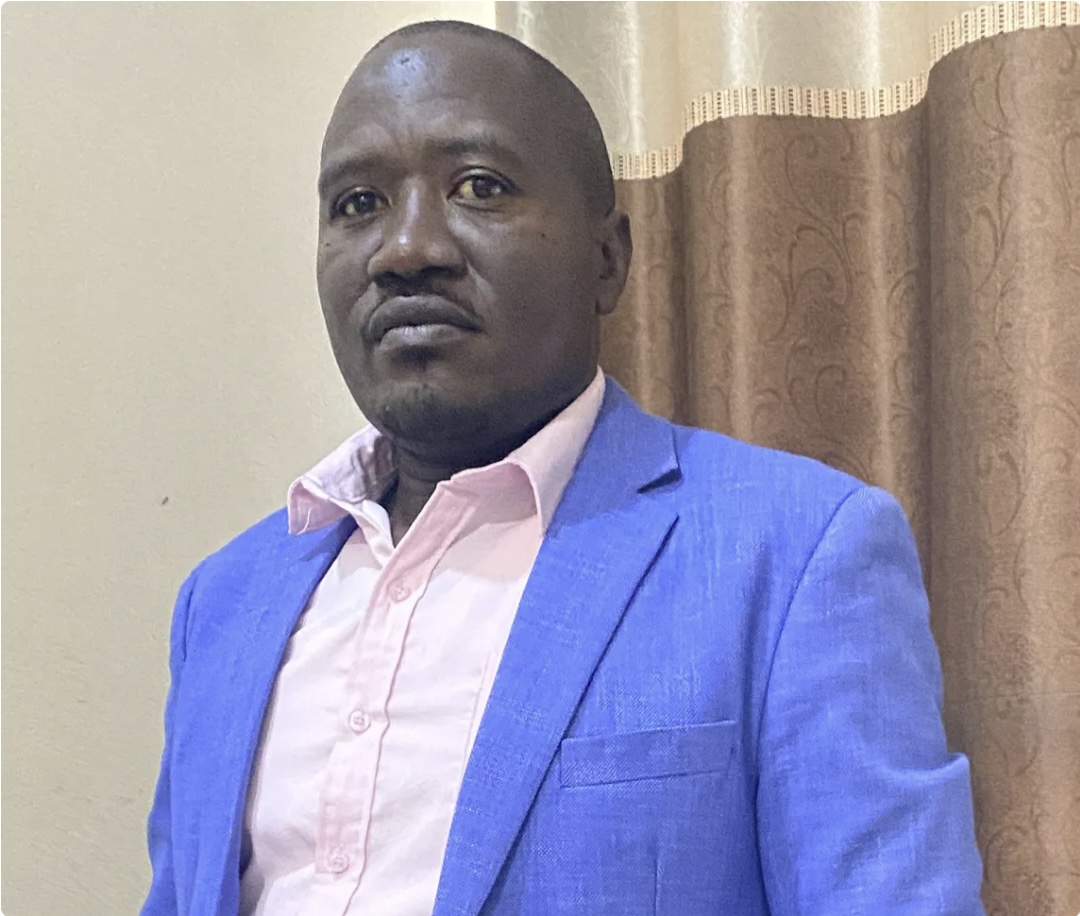
A growing chorus of residents in Rujumbura County is raising questions about what they describe as a recurring leadership pattern by their Member of Parliament, Gen. Jim Muhwezi—intervening only after critical projects have stalled, deteriorated, or collapsed.
Critics argue that this “after-the-fact” approach has left key development initiatives in limbo, with interventions coming too late to reverse the damage. Supporters, however, maintain that the legislator steps in decisively when matters reach national attention. The truth may lie somewhere in between, but for many constituents, the concerns are becoming harder to ignore.
A Pattern of Late Intervention?
Observers point to what they see as a consistent trend: delayed action followed by high-profile responses once a situation has escalated beyond recovery. The metaphor being used by some residents is stark—likening the approach to “treating the dead” rather than saving the living.
This perception has been shaped by at least two major development projects in the area.
Electricity expansion that never lit homes
More than a decade ago, the government rolled out electricity infrastructure in Rujumbura County, distributing poles in anticipation of extending power to underserved communities. The initiative spearheaded during the tenure of former area MP Hon. Fred Turyamuhweza was widely welcomed.
However, residents say progress stalled in the years that followed.
Reports indicate that some poles were vandalized, stolen, or left to rot before connections were completed.
It was not until mid-2025—amid rising political pressure—that Gen. Muhwezi invited the Minister of Energy to officiate what was described as an electricity extension project. Critics dismissed the event as symbolic, noting that months later, many of the targeted villages remain without power.
“It felt like a launch without substance,” one resident remarked, questioning whether the intervention came too late to make a meaningful difference.
Irrigation Scheme Ends in Controversy:
Similar concerns have emerged over the Kyabahanga–Bwambara Irrigation Scheme, a project reportedly initiated following a presidential pledge aimed at addressing food insecurity in the drought-prone area.
Despite initial installation, the scheme was never officially commissioned. Recently, reports surfaced alleging that officials from the Ministry of Water and Environment dismantled parts of the project under heavy security, removing key equipment. Earlier incidents, including the alleged disappearance of a water pump, had already raised red flags.
Following public outcry, Gen. Muhwezi, acting like a pathologist who does postmortem, issued a strong statement, calling for accountability and demanding that the responsible minister provide a full explanation.
For some constituents, however, the response raised a familiar question: Why act only after the damage has been done?
Accountability vs. Timing
The unfolding debate touches on a broader issue in public leadership—whether timely intervention matters as much as eventual accountability.
While it is widely acknowledged that complex government projects often face bureaucratic and logistical challenges, residents argue that proactive oversight could prevent many of the failures now being witnessed.
Political analysts note that late-stage interventions, though sometimes effective in damage control, may not substitute for consistent follow-up and early action.
By: Kakyene Namanya || Journalism Student BBUC
